Why Slab Repair Is Essential in Houston: Signs You Shouldn’t Ignore

Houston’s climate puts a lot of pressure on slab foundations. Shifting weather patterns and long dry periods cause the clay-rich soil to swell and shrink throughout the year. That movement can make concrete slabs crack or sink over time. In commercial buildings, even a small amount of movement beneath the foundation can create larger problems down the line. Slab damage often begins quietly, but it rarely stays that way. When repairs are delayed, safety risks and repair costs start to grow. Recognizing early signs and acting quickly helps protect the structure and avoid major interruptions.

The Unique Challenges of Houston Soil

Clay soil expands when it’s wet and shrinks again when it dries out. That cycle repeats all year in Houston’s environment. As the ground shifts, it puts uneven pressure on slab foundations, which can cause the concrete to move out of place or develop stress cracks.

For commercial properties, the problem can grow faster. Equipment loads, regular traffic, and structural weight all add stress to areas that may already be compromised. As soil conditions continue to shift, the foundation loses stability. That can lead to misalignment throughout the building and leave concrete more vulnerable to failure. Regular inspections help catch movement before it causes lasting damage.

Early Warning Signs of Slab Issues

Some signs of slab damage are easy to overlook at first. Cracks in concrete are often the first thing people notice. They can form on warehouse floors, sidewalks, or driveways and may start small. A surface crack doesn’t always mean serious trouble, but it’s a signal worth investigating.

Another thing to watch for is how doors and windows behave. When the slab shifts, openings may go out of square. If a door starts sticking or a window doesn’t close smoothly, it might be more than just humidity.

Flooring that feels uneven or soft in certain spots can also point to deeper movement beneath the surface. In some cases, water may begin to collect in low areas where the concrete has dropped slightly. On the outside of the building, gaps where the foundation meets the wall or visible separation in exterior finishes can also be early signs.

These changes only get more dangerous the more you ignore them. They tend to get worse over time, especially when weather and soil conditions stay unstable.

The Cost of Delaying Repairs

Slab problems often start small. A dip in the floor or a thin crack may seem minor, but both can signal larger movement below. When left unaddressed, these issues can affect how the building holds weight and how well it resists moisture.

Water that gets into the foundation area may increase soil erosion or allow mold to form under the structure. In commercial buildings, even slight movement can throw off the alignment of shelving, heavy equipment, or interior finishes. Over time, that creates more strain on the slab and the systems that rely on it.

Delaying repair increases both risk and cost. A quick fix can turn into a more involved project that requires reinforcement or drainage work. Acting early keeps the structure sound and helps avoid the complications that come with a failing foundation.

What Professional Slab Repair Involves

A proper slab repair starts with an on-site evaluation. A trained technician will assess where the concrete has moved and what might be causing the problem. One of the most effective methods is polyurethane foam injection. The foam fills empty space beneath the slab and expands to lift the concrete back into alignment.

This process works quickly and doesn’t require tearing out concrete. Once the foam is set, the surface is checked again to confirm stability. For most projects, repairs can be completed without disrupting daily operations.

Polyurethane creates a moisture-resistant layer that supports the slab long-term. It also helps prevent the kind of erosion that leads to repeat settling. With the right tools and the right approach, slab repair becomes a targeted, reliable fix that holds up under the conditions Houston buildings face year after year.

Why Property Owners Trust Polytex Concrete

Polytex Concrete has worked with Texas soil long enough to know how unpredictable it can be. The team brings both local experience and technical skill to each job. Every repair starts with a clear assessment and a customized plan.

For many commercial properties, high-density foam injection offers the best mix of speed, strength, and value. Polytex handles this method with precision, making sure the slab is properly supported and the surrounding area is protected.

Property owners also appreciate the way Polytex does business. We offer fast scheduling, upfront pricing, and no surprises. Whether it’s a warehouse, office space, or a retail foundation, Polytex offers efficient repairs backed by long-term results.

Keep Your Property Safe and Supported

Slab issues don’t improve with time. Early repairs help protect structural integrity and keep overall costs in check. Business owners and property managers across Houston trust experienced professionals to spot the warning signs and recommend lasting solutions. A thorough inspection today can prevent major disruption tomorrow.

If you’ve noticed uneven flooring, cracks, or signs of settling, don’t wait. Contact the team at Polytex Concrete for a customized evaluation and see how expert slab repair can restore strength and stability to your property. Serving Houston and the surrounding areas, Polytex is ready to help you move forward with confidence.
What Causes Void Formation Under Concrete?

Concrete slabs rely on consistent support from the ground beneath them. When that support weakens, gaps can start to form out of sight. These voids develop in different ways: through water movement, soil shrinkage, or long-term pressure, but the result is often a surface that begins to shift, settle, or crack. Once the connection between slab and soil is lost, the structure becomes more vulnerable to damage.

Even small pockets of missing support can change how a surface performs. Drainage may stop flowing correctly. Edges might begin to sink or separate. Over time, these changes affect not only appearance but also safety and function.

Understanding what causes these gaps is key to addressing them. With the right materials and method, it’s possible to reestablish a stable base without removing or replacing the concrete itself. A lasting fix depends on pinpointing the source and restoring support at the ground level.

Soil Erosion and Washout

Water doesn’t have to be aggressive to cause serious damage beneath concrete. Over time, even slow or periodic flow can begin to dislodge fine particles in the soil. As those materials get carried away, the ground loses its ability to support the slab from below. What remains are air pockets: gaps that aren’t visible at the surface but gradually weaken the structure.

Drainage plays a major role in this process. If stormwater doesn’t move away from the site as intended, it can begin to flow beneath slabs instead. Runoff from adjacent properties, blocked channels, or sloped landscaping can all contribute to soil movement that escapes notice until the concrete starts to sink or shift.

At Polytex, we track these patterns to locate where support has been lost. Using high-density foam, we fill the voids and stabilize the slab before larger problems develop. Restoring contact between surface and soil keeps structures safe and helps prevent repeat erosion in the same zone.

Drying and Shrinking Soils

In dry conditions, clay-heavy soils behave in ways that put stress on concrete. As moisture evaporates, the soil shrinks. This contraction may start slowly, but over time, it causes the ground to pull back from the slab. Without consistent contact, the concrete begins to lose its footing.

In areas like Texas, where dry spells often follow periods of rain, the ground moves through constant cycles of swelling and shrinking. These shifts don’t always create visible damage at first, but they affect how evenly the slab is supported. Once gaps form beneath the surface, settling begins to occur which makes everything more uneven.

Monitoring soil behavior during seasonal changes helps reduce the risk of long-term damage. Moisture control around the site, combined with regular checks for movement, keeps these conditions in check. When support has already been lost, our team at Polytex uses high-density foam to reconnect the slab with the ground. The material expands to match the shape of the void, providing immediate lift and durable support that holds up through changing weather.

Poor Site Preparation

What happens below the surface often starts during construction. When the ground isn’t compacted well or unstable fill materials are used, the area becomes more prone to shifting. These weaknesses don’t always show up immediately. But over time, especially under stress, they start to give way.

Sites built on loose or inconsistent base layers are more likely to form voids. The soil settles unevenly, and the slab above begins to follow. Rain, traffic, and equipment movement all add pressure to areas that weren’t properly prepared to carry weight. What might begin as a small dip or hairline crack often leads to broader instability if left unaddressed.

Solid grading and strong base preparation are essential for long-term performance. In older builds where that work wasn’t done right, the signs tend to show up in stages. At Polytex, we evaluate the underlying cause of slab movement and apply stabilization techniques that reinforce the ground. Our process helps extend the life of surfaces, even when the original prep work was lacking.

Long-Term Load Stress

Surfaces that carry repeated weight eventually show signs of strain. Whether it’s foot traffic, parked vehicles, or heavy machinery, that constant load begins to press down on the soil below. Over time, the pressure causes the ground to compress, especially if it wasn’t compacted thoroughly in the first place.

This gradual shift creates empty spaces that weaken the slab’s ability to hold steady. In high-use zones like warehouses, service roads, and loading pads, the wear tends to build faster. What starts as a subtle slope or slight movement can quickly turn into a larger structural concern.

Routine evaluation makes a difference. Small adjustments made early often prevent more disruptive repairs later on. Our team at Polytex specializes in identifying stress points before they lead to failure. Using high-density foam, we restore support beneath the slab without removing or replacing the concrete. The material sets quickly, allowing clients to return to regular use without extended downtime.

Identifying and Repairing Voids with Polytex

When concrete starts to shift or settle, the first step is a detailed assessment. At Polytex, we begin with a site walk to look for signs that the slab has lost contact with the ground. From there, we use targeted tools to detect hollow areas and pinpoint where support has weakened.

Once the voids are located, we inject high-density foam beneath the surface. This material expands to fill empty space and gently lifts the slab back into alignment. The foam hardens quickly, creating a durable layer that holds its shape under weight and resists future movement.

This type of repair avoids excavation and keeps surrounding areas intact. Most sites remain fully accessible during and after the process. Our focus is on restoring stability without slowing down daily use. From warehouse floors to infrastructure pads, we approach each project with care, precision, and a clear goal: long-term performance with minimal disruption. Slabs that once showed early signs of failure regain their structure and can continue supporting the systems around them. For property owners, that means fewer surprises and more confidence in how the surface holds up.

Fill the Gaps Before It’s Too Late

Voids beneath concrete rarely stay contained. As soil shifts or breaks down, the space widens and the slab above starts to lose shape. What begins as a minor issue often leads to cracks, drainage problems, or surface failure if left alone.

Acting early keeps the damage in check. It’s more efficient to restore support before the surface settles further or puts strain on surrounding structures. At Polytex, we help property owners address these problems with strategies designed to last.

If you’ve noticed movement, uneven surfaces, or changes in how your site performs, reach out for an expert evaluation. We’ll help you understand what’s happening below the slab and provide a clear path toward reliable, lasting repair. We serve Houston, TX and the surrounding areas! 

Top 5 Signs Your Concrete Needs Professional Leveling

Concrete provides critical support for everything built on top of it. When that support begins to shift, surface changes tend to appear slowly. Water may start pooling in low areas. A once-stable walkway can begin to feel off balance. Cracks often form near joints or at the edge of a slab, signaling that movement is underway below.

Even minor changes at the surface can affect how the surrounding structure holds up. Left alone, these patterns typically lead to deeper problems and more expensive repairs. Concrete leveling addresses the issue at its source by restoring the slab’s position and reinforcing the ground beneath it.

Knowing when to take action helps protect the structure as a whole. Certain signs suggest the concrete is no longer stable, and below are five signs worth paying attention to.

Sign #1: Visible Cracking or Separation

Cracks in concrete often develop near stress points. These may show up along joints, near corners, or at the edges where the slab meets a wall or pathway. A single fracture might seem cosmetic at first, but visible breaks are often the first sign of deeper movement below the surface.

Once the ground shifts, the slab loses even support. That pressure causes the concrete to pull apart or separate. In many cases, the cracking worsens with changes in moisture or added weight. Patching over these breaks can temporarily cover the damage, but the slab continues to move underneath. This leads to repeated repairs that don’t hold over time.

At Polytex, we treat cracking as a sign that the structure needs reinforcement. We start by identifying where the support has failed. Our team uses targeted foam injection to fill gaps beneath the slab and bring the surface back into alignment. Once the base is secure, the slab stays stable and performs the way it was designed to.

Sign #2: Uneven or Sunken Areas

When part of a concrete slab drops below grade, it’s often because the soil underneath has shifted or eroded. This creates empty pockets that no longer support the surface. As the slab settles into those voids, it begins to tilt or dip. The angle might be subtle at first, but it quickly affects how the area drains and how it holds up under use.

Changes in elevation can interrupt access or cause traffic to shift toward more stable areas. In busy spaces, this puts strain on pathways and increases the chance of damage. Water tends to collect where the surface drops, which can lead to further erosion or surface wear. Vehicles and equipment placed on unlevel concrete often experience more stress and uneven load distribution.

We use high-density polyurethane foam to lift the slab and fill the empty space beneath it. The foam expands to support the structure and stop further movement. This process restores a level surface, strengthens the foundation, and prevents additional damage from spreading across connected areas.

Sign #3: Water Pooling or Improper Drainage

When a concrete slab shifts out of place, the surface can begin to collect water instead of moving it away. This change in slope alters how runoff behaves, and low spots may form where drainage used to be consistent.

Standing water puts pressure on the soil underneath. Over time, that moisture can begin to wear away the base and affect nearby structures. In some cases, this creates a cycle where erosion leads to more sinking, and the damage continues to spread outward.

To correct the problem, we raise the slab and fill the empty space beneath it. This brings the surface back into position and allows water to drain properly again. Addressing the issue early helps avoid structural wear and reduces the risk of long-term complications.

Sign #4: Doors or Equipment No Longer Aligned

When a slab begins to shift, even small changes in elevation can affect nearby systems. Doors may no longer close cleanly. Equipment mounted on uneven ground might start to lean or vibrate during use. These issues often show up in areas where the concrete is tied directly to walls, frames, or fixed installations.

Misalignment increases wear on parts that were designed to operate on a level surface. Over time, simple tasks like opening a gate or repositioning machinery can become more difficult. These changes may start as minor inconveniences but tend to grow if the surface continues to sink.

We lift the slab by injecting high-density foam into the empty space below. This restores the original grade and gives the connected systems a stable foundation to work from. A level surface reduces pressure on structural points and helps restore normal function across the affected area.

Sign #5: Changes in Foot Traffic or Surface Feel

When concrete starts to lose support, you can often feel it before you see any damage. A section might feel softer than usual. You may notice a slight dip, or that it shifts under pressure. Sometimes, it sounds different when walked on. These changes suggest the slab no longer has full contact with the ground beneath it.

Gaps like this form as soil settles or washes out, leaving parts of the concrete suspended without support. That separation puts stress on the slab and raises the risk of cracking or sinking over time.

If something about the surface feels off, it’s worth getting it checked. We can evaluate the area, identify where support is weakening, and restore it before the problem gets worse. Catching these signs early keeps the structure stable and reduces the chances of more costly repairs down the road.

Don’t Wait for the Damage to Spread

Concrete that begins to move can affect nearby structures, systems, and surfaces if left alone. Early repair keeps the issue contained and helps prevent further damage.

If you’ve noticed changes in elevation, pooling water, or shifts in how the surface feels, it’s time to take a closer look. We offer professional slab leveling that restores alignment and reinforces support underneath. Contact Polytex to schedule a site visit and get a clear, reliable plan for keeping your property stable in Houston, TX and the surrounding areas.

The Dangers of Ignoring Sinking Concrete

Sinking concrete tends to develop gradually. A surface that once felt solid might start to slope. Cracks may appear near the edges. Doors, gates, or mounted equipment begin to shift slightly out of line. These small changes often point to something more serious happening below. When the ground loses its ability to support the slab, the concrete begins to settle into the space left behind.

Waiting to address this kind of movement can come with real consequences. Uneven slabs increase the risk of trips and falls, damage vehicles or machinery, and allow water to collect in places it shouldn’t. Over time, the surrounding structure may begin to strain under the uneven load, and what started as a small surface issue turns into a much larger one.

Recognizing the early signs of slab settlement and understanding what happens if they’re ignored helps property owners make informed decisions before damage spreads.

What Causes Concrete to Sink?

Concrete settles when the ground underneath loses stability. In many cases, the issue starts with soil that wasn’t compacted well during the original build. Over time, this looseness creates movement. Rain can speed up the process by carrying soil away from key areas. In drier seasons, clay-heavy ground shrinks, pulling back from the slab and creating open pockets below.

These gaps create weakness. As weight pushes down from above, the concrete begins to follow the path of least resistance. Surface pressure becomes uneven. Stress builds in some sections while others lose support entirely. What begins as a small shift in one spot often grows into a larger pattern of settling.

Movement like this changes how the slab performs. Surface cracks may appear and corners can start to dip. Once that cycle begins, it usually takes more than a simple patch to reverse the problem. The best outcome comes from filling those gaps early, before the structure above begins to change shape or cause complications in connected areas.

Functional Impact on Property Use

Concrete is meant to create a dependable surface. When it sinks, that consistency disappears. When a slab begins to sink, the surface doesn’t respond the way it used to. Foot traffic may feel off in spots, with slight shifts under pressure that interrupt normal movement. Equipment might start to bump or lean where it once rolled smoothly. Water often follows the change too, collecting in areas that weren’t a concern before.

Sunken areas tend to throw things off in subtle but frustrating ways. It might take more effort to roll carts or equipment into place. Some spots start to feel less solid, which slows things down or creates awkward movement. When the surface no longer works the way you expect, the rest of the site ends up working harder just to keep pace. These changes build over time and can lead to more frequent maintenance or slower day-to-day movement.

For high-traffic or high-value areas, early response helps preserve the layout and rhythm of the space. Leveling restores the surface and helps keep everything above it properly supported and in working order. At Polytex, we restore surface support by targeting the weakness below and lifting the slab back to its proper position.

Structural and Financial Risks Over Time

As concrete settles, the slab can start to break apart in key areas. Sections may drift out of alignment, creating new stress along seams and edges. Over time, this movement places uneven pressure on the rest of the property.

Waiting to address these changes often leads to longer downtime and more complicated repair work. It takes more materials to stabilize a slab that has continued to drop, and nearby surfaces may require reinforcement too. These added layers drive up cost and increase the risk of further damage.

Taking action early makes repair simpler and helps maintain the systems built on top of the slab. Staying ahead of the damage helps avoid larger disruptions down the line.

How Polytex Stabilizes Sinking Concrete

We start with a close inspection of the site, looking for signs of movement and checking the ground conditions below. Once we understand the cause, we inject high-density polyurethane foam beneath the surface. The foam expands into the open space and lifts the concrete with control and accuracy.

This process doesn’t require excavation and cures quickly, which helps minimize impact to the surrounding area. Every step is designed to keep your property stable without interfering with your daily operations.

Restoring the slab in place gives you back a surface that’s strong, aligned, and ready to hold up under continued use.

When to Take Action

Cracks in the surface, pooling water, and uneven footing are often the first indicators that a slab is starting to shift. These early changes tend to signal deeper problems underground. A timely inspection helps identify the cause and offers a clear path forward.

Slab leveling is a fast, clean solution when handled by experienced professionals. There is no need for demolition or lengthy downtime, and most repairs are completed with minimal interruption to daily use. Even busy sites can stay operational during the process.

At Polytex, we match each repair to the conditions on-site. Whether the issue shows up in a commercial entryway or beneath utility infrastructure, our work brings stability back where it’s needed most. Each solution is built for long-term results and carefully planned to avoid disruption, delays, or wasted effort.

Stop the Damage Before It Spreads

Sinking concrete is easier to correct when caught early. Small signs often point to deeper changes in the ground, and leaving them unaddressed can lead to more strain on the structure. Acting sooner helps reduce repair costs and protects surrounding areas from further damage.

At Polytex, we’ve helped property owners across Houston restore concrete slabs quickly and reliably. Our process is built for commercial and infrastructure demands, with methods designed to hold up over time.

Reach out to schedule an evaluation and keep your slab in working shape for the long term. We’ll walk the site, explain what we find, and recommend a plan that fits your timeline and budget.

How Weather Affects Concrete Slabs in Texas

Concrete slabs in Texas face constant pressure from the weather. Shifting conditions above and below the surface cause materials to expand, contract, or pull away from their foundation. When these changes happen repeatedly, the slab begins to move in ways that affect how it holds up over time.

Moisture plays a major role. Heavy rain saturates the soil, causing it to swell and push against the slab. Then, long dry periods tend to have the opposite effect, pulling support away and leaving gaps beneath the surface. Temperature swings like this add to the stress by forcing the concrete to adjust with each season.

As these cycles continue, slabs often begin to lose alignment. Support weakens, surfaces shift, and the structure becomes more vulnerable to damage. Knowing how each weather pattern affects the ground beneath a slab makes it easier to prevent long-term failure and keep the surface in working condition.

Soil Expansion During Rainy Seasons

Texas soil contains a high concentration of clay, which responds strongly to moisture. During rainy periods, this soil absorbs water and expands. As the ground swells, it pushes upward and outward with significant force. Slabs that rest on or near this movement begin to shift out of alignment.

The pressure created by expanding soil causes many surface-level issues. Concrete may lift unevenly, crack along stress points, or separate from nearby structures. These changes often appear slowly, but the movement underneath creates lasting instability.

Managing drainage plays a key role in limiting how much water collects in the soil. By controlling runoff and reducing oversaturation, the surface becomes less likely to move over time. We use slab-leveling methods that help correct these changes and prevent further damage. At Polytex, we inject high-density foam beneath the slab to fill any voids and reestablish even support. This restores the surface and brings stability back to the structure without major disruption to surrounding areas.

Dry Spells and Soil Contraction

Texas summers often bring extended periods of dry heat. As the soil dries out, it begins to shrink and pull away from concrete slabs. This loss of volume beneath the surface leaves gaps that compromise the slab’s ability to stay supported. Without that contact, the concrete starts to sink or tilt under its own weight.

Once a slab begins to settle, stress builds unevenly across the structure. Sections may dip, crack, or shift in relation to surrounding surfaces. The more the soil contracts, the wider the gap becomes. These changes can affect buildings, walkways, or access areas that depend on a stable base.

One of the most effective ways to correct this is to restore the connection between the slab and the ground. We address this by placing high-density foam beneath the surface, where it fills the open space and reintroduces consistent support. As the slab returns to its original position, surrounding materials settle into place without the need for demolition or reconstruction. This process helps stabilize the area and reduces the risk of future sinking.

Temperature Fluctuations and Surface Stress

Concrete responds to temperature shifts by expanding in the heat and contracting in cooler conditions. These natural movements occur slowly but steadily, especially in areas that experience wide seasonal changes. Over time, repeated movement places stress on the surface and weakens the slab’s ability to stay uniform.

Small fractures often form near edges or joints, especially in places already under pressure. These openings allow more moisture to enter the material, which can speed up surface fatigue. Cracks widen, and sections begin to pull apart from each other. This process doesn’t always begin with dramatic damage. In many cases, it starts with minor changes that grow worse as the seasons change.

Slabs that show early signs of wear benefit from close inspection before temperatures shift again. We assess known stress points and test the structure for movement beneath the surface. When there’s evidence of separation, we use stabilization methods that reinforce the slab from underneath. This helps preserve the concrete and limits the chance of deeper breaks later on.

Erosion from Stormwater or Poor Drainage

Slabs rely on consistent soil support to maintain their shape. When water begins to move through or around that base, the ground starts to erode. This creates weak areas beneath the surface that may not be obvious right away. As more water flows through, the soil washes out and leaves the slab without enough backing to stay level.

This type of erosion often leads to uneven settling. One side of the slab may dip while the other remains in place. If left alone, the damage usually spreads as stormwater continues to follow the path of least resistance. The longer water flows through these spaces, the more the surface above begins to shift.

Drainage issues like these can be reduced by directing runoff away from slab edges and keeping nearby systems clear. When erosion-related damage is already present, we correct the issue by placing material directly into the weakened zones. That added support helps restore balance and keeps the structure from continuing to sink or pull apart.

Long-Term Weather Exposure and Aging Slabs

Over time, concrete slabs begin to show the effects of long-term exposure. Wind dries out surfaces. Sun breaks down protective coatings. Moisture finds its way into hairline cracks. These conditions may not cause immediate failure, but they gradually weaken the slab’s ability to hold up under load.

Older concrete often has multiple small points of damage that form slowly. When left untreated, they start to connect. Movement increases, and repairs become more difficult to manage. In many cases, aging slabs experience a combination of surface wear and hidden instability that only shows up during close inspection.

Regular evaluations help catch those changes before they affect larger systems. Property owners who rely on older structures can avoid major disruption by reinforcing what still works. At Polytex, we specialize in restoring support to worn slabs using fast, low-impact methods. These repairs extend the life of the concrete and make it easier to maintain steady performance through shifting weather.

Protect Your Concrete from Weather Damage

Texas weather puts concrete under constant pressure. Rain, drought, and temperature swings all play a role in how quickly a slab begins to fail. The earlier those changes are addressed, the easier it is to restore stability and keep surrounding structures protected.

Regular evaluations and targeted repairs reduce risk and preserve the value of your property. Slabs that show signs of movement, wear, or drainage issues benefit from professional support.

We offer site-specific solutions that reinforce the slab from beneath and minimize downtime. Contact Polytex to schedule a visit and protect your concrete from further weather damage.

How Polytex Concrete Leveling Extends the Life of Houston’s Infrastructure

Houston’s growth puts steady demand on the concrete surfaces that support movement, access, and everyday use. Roads, commercial properties, and public spaces rely on a stable foundation. When the ground shifts or support begins to fade, surface changes often follow. Water stops draining the way it used to. Equipment may feel less secure. Some areas show signs of movement that weren’t there before.

These changes usually develop slowly. A small section of concrete sinks. A crack appears near a joint. As pressure builds, the surrounding systems begin to respond. The longer these patterns continue, the harder they are to manage.

Concrete leveling brings the surface back into position by filling the gaps below and restoring contact with the ground. The repair helps reduce further stress, protects what’s already in place, and extends the life of the structure without needing to remove or replace the slab.

Infrastructure Stress in the Houston Climate

Houston’s weather patterns make it tough for concrete to stay stable. Long periods of dry heat are often followed by intense rain, and the ground shifts in response. That movement places uneven stress on anything built above the soil, especially large surfaces like driveways, walkways, and pads.

When water collects or drains poorly, the soil underneath starts to erode or collapse. Once that support disappears, the concrete above begins to lose its shape. You might notice small drops in elevation or uneven sections that weren’t there before. These weak points tend to show up in areas with constant use, like busy walkways or service routes.

If the surface isn’t repaired early, the damage spreads. Joints can separate, and the concrete may break apart under weight. Addressing the issue quickly helps keep the structure intact and avoids ripple effects throughout the rest of the system.

What Concrete Leveling Really Fixes

Concrete needs stable and even support underneath to hold its shape. When soil shifts or washes away, gaps form beneath the surface. That missing support causes the slab to drop, separate, or develop stress cracks. Over time, those changes affect how the surface performs and how much strain it puts on surrounding structures.

Leveling fills those empty spaces with high-density material that lifts the concrete back into place. It’s a focused way to correct the problem without having to replace the entire slab. This kind of repair is especially helpful in areas where uneven surfaces start to cause daily issues, like loading zones, parking areas, or pathways used for foot or vehicle traffic.

Once the slab is stable again, everything around it works more reliably. Water drains properly. Surfaces feel secure under equipment and foot pressure. Acting early keeps the damage contained and helps extend the life of both the slab and the systems built around it.

How Polytex Does It: High-Density Foam Injection

Every project begins with an on-site evaluation. The team identifies where the slab has shifted and what may have caused the loss of support underneath. From there, a technician drills small access points into the surface and injects a high-density polyurethane foam into the empty spaces below. The foam expands and lifts the slab back into position, reconnecting it with the ground and restoring the level of the surface.

One of the key advantages of this approach is how little disruption it causes. The material cures quickly, which means the area can be used again shortly after the work is done. There’s no need to tear out concrete or bring in heavy equipment. That makes the process both efficient and budget-friendly.

For businesses and municipalities, efficiency is of utmost importance. It helps avoid long closures, protects surrounding property, and keeps routine operations moving. With the right tools and timing, Polytex levels concrete in a way that holds up to pressure and keeps surfaces in reliable shape.

Why It Matters for Long-Term Performance

Uneven concrete surfaces can create a ripple effect through the rest of the structure. When the slab isn’t stable, it changes how water flows, how loads are supported, and how other materials respond over time. Fixing the problem early helps preserve the systems built on top of that surface.

Leveling restores the balance and shape of the slab so everything above it can stay in place. It also makes it easier to keep up with maintenance. Surfaces that stay even are easier on vehicles, reduce stress on equipment, and lower the risk of impact damage in high-use areas.

Leveling solves the problem before it spreads. Instead of waiting for visible damage or full replacement needs, this approach targets early warning signs and reinforces the structure while it’s still repairable. This also makes it easier to plan ahead, keep budgets under control, and maintain access without major interruptions.

Polytex’s Role in Keeping Houston Moving

Polytex Concrete has deep roots in Texas and a strong track record of working on infrastructure projects across the region. The team understands the challenges that come with Houston’s soil conditions, weather patterns, and long-term wear. That experience shows up in how they approach each job, whether they’re stabilizing a sidewalk in a commercial district or leveling utility access points for a public works project.

We have partnered with municipalities, property managers, and private businesses to solve all sorts of  problems without adding delays to already busy schedules. Every project gets a clear plan, a reliable timeline, and quality materials that are built to last. For clients who need concrete surfaces restored without shutting down access, Polytex delivers steady, dependable work that supports long-term use and keeps everything moving.

Strengthen Now, Avoid Setbacks Later

Slab movement rarely slows down on its own. Once the ground starts shifting, surface damage tends to follow. Addressing it early limits the impact and keeps the surrounding infrastructure stable.

Polytex Concrete offers a direct way to stay ahead of foundation trouble. Our approach reinforces what’s already in place, helping businesses and cities avoid costly delays and disruptions. If you’re seeing signs of uneven concrete or early settling, now is the time to act. Reach out to schedule an on-site evaluation and get a tailored solution for your space.

Common Causes of Bulkhead Damage and How to Prevent Them

A bulkhead is a structural wall designed to contain soil or water and provide support where changes in elevation or pressure occur. These barriers are often found in areas where surrounding surfaces rely on reinforced edges to stay intact. If a bulkhead begins to shift or weaken, the surface around it can lose shape and function.

Movement behind the wall is one of the most common sources of damage. When the ground no longer holds its form or drains poorly, pressure starts to build. That pressure creates stress points that work against the bulkhead and gradually reduce its ability to hold.

Once the structure begins to lean or separate, nearby concrete, paving, or foundation elements often show signs of wear. Early signs may not look urgent, but they tend to spread. Identifying the cause and applying the right repair method helps keep the surrounding area stable over time.

Soil Movement and Erosion

Bulkheads rely on consistent ground support to hold their position. When soil shifts or washes out, the pressure behind the structure becomes uneven. Voids can form where the earth no longer meets the wall, leaving sections of the bulkhead unsupported. That loss of contact weakens the structure and creates stress points that spread into nearby surfaces.

Erosion is often gradual. A small area of movement behind the wall can expand with each storm or irrigation cycle. Once the ground begins to sink or lose form, the surrounding materials may follow. Concrete pads, paved access areas, and structural edges can shift or crack as the pressure changes.

Proper drainage and early reinforcement help slow this process. By managing water flow and monitoring soil conditions, much of this damage can be avoided. A Polytex, we fill voids beneath and behind the bulkhead with high-density foam. This restores support, brings stability back to the structure, and helps prevent further collapse as the pressure is redistributed more evenly.

Hydrostatic Pressure Buildup

When water collects behind a bulkhead, it creates constant pressure against the wall. If the area doesn’t drain correctly, that force increases until the structure begins to bend, separate, or leak. Poor grading, clogged outlets, or saturated soil often lead to this kind of buildup.

As water sits in place, it pushes against the bulkhead and looks for paths of escape. Small shifts may develop first, followed by visible cracking or seepage. In more advanced cases, the wall can bow outward or pull away from its footing. Once this process begins, surrounding areas often show signs of damage as well.

Managing water behind a bulkhead is essential to maintaining its strength. Improving flow reduces the chance of movement and protects the base from long-term saturation. We use leveling and targeted foam injection to help reset the surface and seal any gaps that contribute to water retention. Our process supports the structure while improving how the area handles drainage moving forward.

Inadequate Construction or Aging Materials

Bulkheads built with poor-quality materials or insufficient reinforcement often begin to show signs of stress early in their lifespan. If the design doesn’t account for pressure, movement, or drainage, the structure can lose integrity under normal conditions. These weaknesses tend to appear first in the joints or at points where the bulkhead meets surrounding surfaces.

Even well-built bulkheads break down over time. Constant exposure to rain, heat, and shifting soil slowly wears away the materials. Wood rots, concrete separates, and supports become less reliable. As the structure weakens, nearby surfaces can begin to settle or fracture under the added pressure.

Regular inspection is key to preventing larger failures. Early signs of wear are often easy to correct if caught soon enough. We help stabilize older bulkheads by injecting high-density foam into the areas where support has faded. Our process reinforces the structure with minimal disruption to the surrounding space, restoring strength without excavation or demolition.

External Impact and Operational Wear

In areas with frequent movement, even the strongest bulkheads can wear down under repeated force. The weight of vehicles, equipment, or heavy loads creates pressure that shifts over time. In some cases, vibration alone is enough to weaken joints or disturb the ground that supports the structure.

These forces often create visible signs of damage. A section of the wall may lean, or the surface near the bulkhead might begin to separate. Once stress builds in one location, the effects often reach other connected systems or surfaces nearby.

Bulkheads in high-use zones should be evaluated on a regular schedule. Even if the wall still appears solid, hidden stress points may be growing beneath the surface. At Polytex, we assess the condition of the structure, identify areas where movement has begun, and apply targeted repairs that restore support. Our methods keep the structure stable while avoiding the need for shutdowns or large-scale replacement.

Preventive Measures That Work

Keeping a bulkhead in good condition starts with consistent support and proper water flow. Stabilizing the surrounding soil helps reduce pressure on the structure. When the ground stays compact and drains well, the wall is less likely to shift or separate. Planning for controlled runoff also limits the chance of water buildup behind the bulkhead, which is one of the most common causes of damage.

Routine evaluations allow property owners to catch small changes before they become structural problems. A slight lean, separation at a joint, or uneven settling near the wall may point to hidden movement below the surface.

We work with property managers, builders, and municipalities to reinforce bulkheads early, before the damage spreads. Our injection process strengthens the base of the structure without excavation or downtime, making it easier to preserve long-term performance without disrupting operations.

Protect Your Bulkhead Before It Fails

Bulkhead movement often begins beneath the surface, where changes in support aren’t immediately visible. As pressure builds, surrounding materials start to shift, and repairs become more difficult.

Early evaluation gives property owners a better chance to prevent larger issues. Settling, cracking, or erosion near the wall can all indicate that support is beginning to weaken.

We inspect, reinforce, and restore bulkheads using methods that keep the structure intact and avoid major disruption. Contact Polytex to schedule a site visit and secure a plan that protects your property before failure spreads.

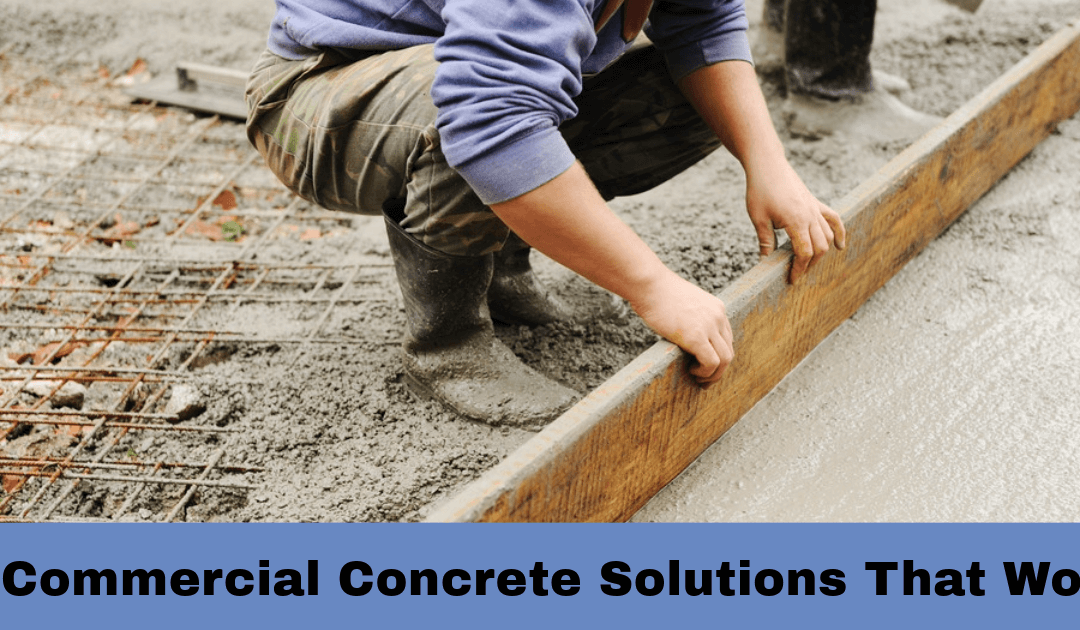
Commercial Concrete Solutions That Wow

Commercial Concrete Solutions That Wow

When it comes to infrastructure repair, commercial concrete solutions play a pivotal role in maintaining the integrity and longevity of buildings and structures. These solutions address a wide range of challenges, from voids beneath concrete to stabilizing the ground and reinforcing structural foundations. Here are some key commercial concrete solutions that are truly transformative.

Filling Voids and Strengthening Soil

One of the most common challenges in concrete infrastructure is the development of voids beneath slabs or foundations. These voids can lead to uneven settling and cracking of the concrete, posing a safety hazard. Commercial concrete solutions like polyjacking or mudjacking are used to fill these voids, restoring the foundation’s stability. By injecting materials under pressure, these methods quickly level and strengthen concrete surfaces. Similarly, soil stabilization is crucial when the ground beneath a structure becomes unstable. Commercial concrete solutions often involve the use of chemical stabilizers or grouting techniques to strengthen and reinforce the soil. This ensures the foundation remains supported and secure for years to come, preventing future settling or shifting.

Reinforcing Foundations and Tilt Wall Building

In older buildings or those that have suffered from damage, structural foundation repair is essential. Commercial concrete solutions for foundation reinforcement might include underpinning, where new concrete piers or slabs are installed to support the original structure. This technique helps distribute weight evenly and prevents further shifting or sinking. Tilt wall construction is another innovative commercial concrete solution. In this method, concrete panels are poured horizontally and then tilted into place. This approach is increasingly popular for building large commercial structures quickly and efficiently. Not only does it reduce construction time, but it also ensures precision and durability.

Engineering Concrete Structures for Longevity

Structural engineering is vital when designing concrete buildings to ensure that the materials used can support the necessary load and withstand environmental factors. Commercial concrete solutions in structural engineering involve careful planning and execution, from reinforcement to ensuring compliance with local building codes. These services guarantee the safety and longevity of any concrete structure, ensuring it remains sound for years. According to IBISWorld, the concrete industry has seen steady growth, with a compound annual growth rate (CAGR) of 0.1% over the past five years. By the end of 2024, the industry’s revenue is projected to reach $77.5 billion. This growth highlights the increasing demand for reliable and effective commercial concrete solutions across various sectors. By addressing issues like voids, unstable soil, and foundation concerns, these commercial concrete solutions not only extend the life of buildings but also contribute to safer, more efficient infrastructure across the board. Reach out to our expert team at Polytex Concrete today to discuss all of your commercial concrete needs!

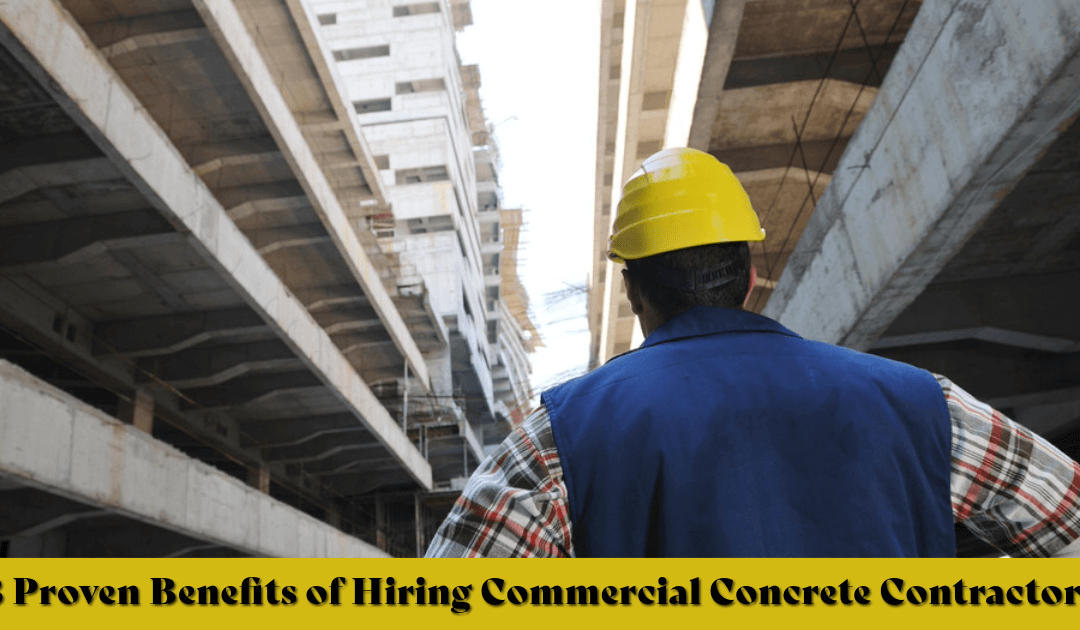
3 Proven Benefits of Hiring Commercial Concrete Contractors

3 Proven Benefits of Hiring Commercial Concrete Contractors

In the realm of construction and infrastructure development, concrete plays a pivotal role as the foundational material of choice. Whether you’re overseeing a large-scale commercial project or a small business expansion, the quality and reliability of the concrete work can significantly impact the overall success of your operations. This is where professional commercial concrete contractors come in, offering a range of benefits that ensure your project is completed with precision and excellence.

Unmatched Knowledge

One of the most compelling benefits of hiring commercial concrete contractors is their unmatched expertise and experience. These professionals possess extensive knowledge of different types of concrete and their applications, which enables them to recommend the best solutions for your specific project needs. This level of expertise not only ensures structural integrity but also guarantees compliance with industry standards, saving you time and potential future headaches.

Top of the Line Equipment

Another significant advantage is the access to advanced equipment and technology that commercial contractors bring to the table. These contractors employ state-of-the-art machinery and innovative techniques to achieve efficiency and precision in their work. According to Concrete Financial Insights, the concrete production and delivery industry in the United States generates $64 billion in revenue. This figure highlights the scale and importance of professional concrete services, underscoring the value of hiring contractors who invest in the latest industry advancements.

Increased Savings

Moreover, commercial concrete contractors offer long-term cost savings by minimizing errors and reducing the likelihood of costly repairs down the road. Their ability to accurately assess project requirements and deliver high-quality results means fewer concerns about structural failures and maintenance issues. In the long run, this investment in professional services can lead to significant financial savings, freeing up resources for other critical aspects of your business.

Hiring commercial concrete contractors provides numerous benefits that align with your project’s goals and requirements. Their expertise, access to cutting-edge technology, and focus on quality assurance ensure that your construction endeavors are not only successful but also cost-effective. As the concrete industry continues to generate substantial revenue, engaging skilled contractors becomes an essential step toward building a solid foundation for your business’s future growth. If you are looking for concrete services, reach out to our top-notch team at Polytex Concrete today to get started.

Call Now Button